In this week's podcast, Melissa del Bosque and Geographer Dugan Meyer explain how the Border Chronicle's new project, Wall Watch, helps residents document and understand the massive construction project underway at the U.S.-Mexico border.
Countering negative narratives with an event that honors interconnectedness and subverts the border in Agua Prieta/Douglas, and a contested hotel--in the heart of the Rio Grande Valley--that is of great importance for Mexican American civil rights.
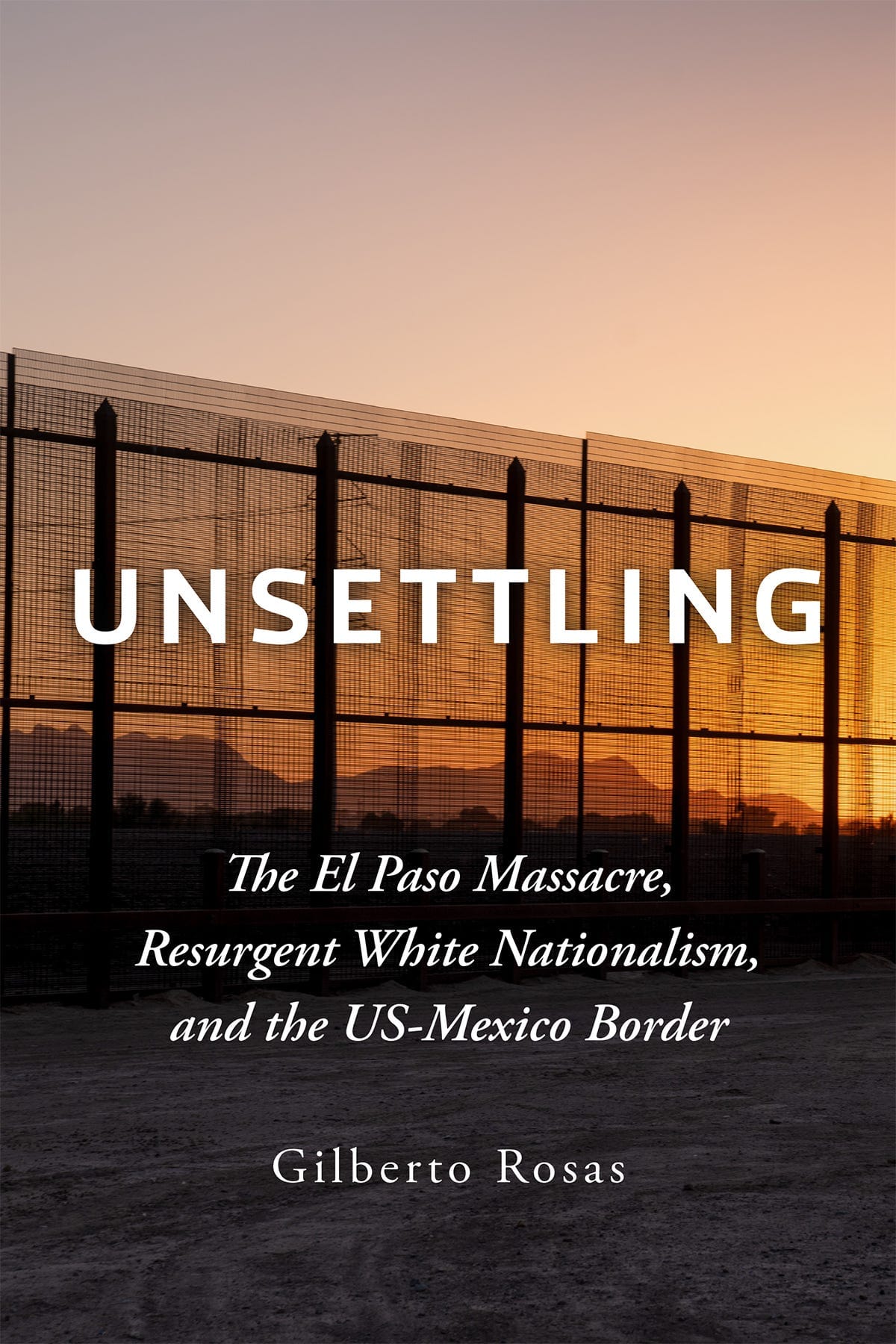
Border Fortification and the El Paso Massacre: A Podcast with Gilberto Rosas
“The mass shooting of August 3, 2019, demands a reckoning. It must be situated in a recent and vicious amplification of preexisting U.S. border and immigration policy.”
Border Fortification and the El Paso Massacre: A Podcast with Gilberto Rosas
0:00
/12000
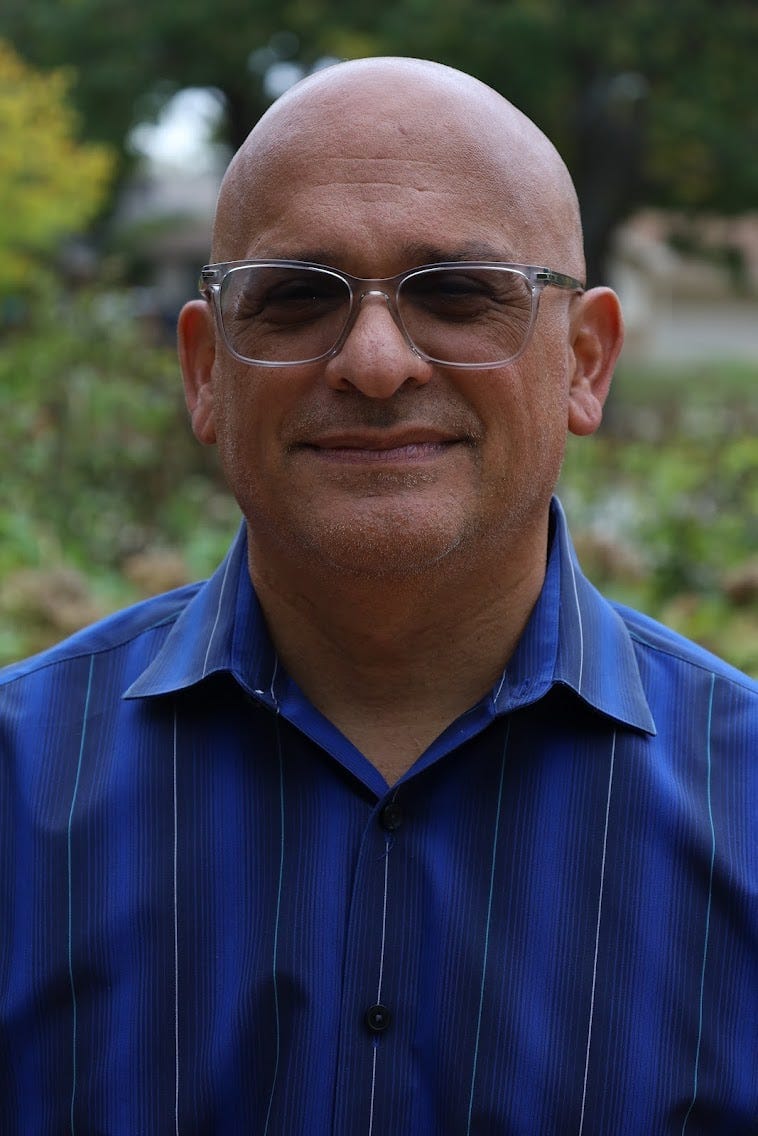
On August 3, 2019, a mass shooting took place in El Paso, Texas. After hearing reports of the shooting, anthropologist Gilberto Rosas tried to call his parents, who live in El Paso, his hometown. At first, they did not answer the phone. At a Walmart about a mile away from the U.S.-Mexico divide, the shooter was on a white-supremacist rampage that would kill 23 people and wound many others. As Rosas describes in the following interview, these harrowing moments intensified until his parents finally answered.
In the interview, Rosas told me, “As someone who grew up on the border, who knows the literature on the intensified militarized policing of the border, as someone with roots in that region, I felt compelled to analyze [the massacre] as an outgrowth of the hardening of the U.S.-Mexico border.” And that he did.
Alongside his narrative-challenging analysis, Rosas also explains why he doesn’t use terms like “migrant” or “detained/detention.” He talks about his own “dignified rage” in grieving the mass shooting’s victims, and how this concept can be channeled by people and communities to challenge power.
And he offers this keen observation about Washington and the border (one that we often make here at The Border Chronicle): “If policy makers were to listen to people from the borderlands, these kinds of discursive, ideological, and material conditions would not be as severe.”
The Border Chronicle relies on its readers and listeners to continue. Support border journalism from a border perspective by becoming a paid subscriber today for just $6 a month or $60 annually. We appreciate your support!
In this week's podcast, Melissa del Bosque and Geographer Dugan Meyer explain how the Border Chronicle's new project, Wall Watch, helps residents document and understand the massive construction project underway at the U.S.-Mexico border.
A vivid depiction of what has been happening during the last eight weeks of resistance against border wall construction in southern Arizona’s San Rafael Valley.
Wall Watch combines geospatial mapping, archival research, and community participation to provide the public with an accurate, continually updated record of border wall construction along nearly 2,000 miles of the international border.
Worried about the future of democracy in the United States? Look to Indigenous histories; they have much to teach us about the struggle between liberty and empire.