In this week's podcast, Melissa del Bosque and Geographer Dugan Meyer explain how the Border Chronicle's new project, Wall Watch, helps residents document and understand the massive construction project underway at the U.S.-Mexico border.
Countering negative narratives with an event that honors interconnectedness and subverts the border in Agua Prieta/Douglas, and a contested hotel--in the heart of the Rio Grande Valley--that is of great importance for Mexican American civil rights.
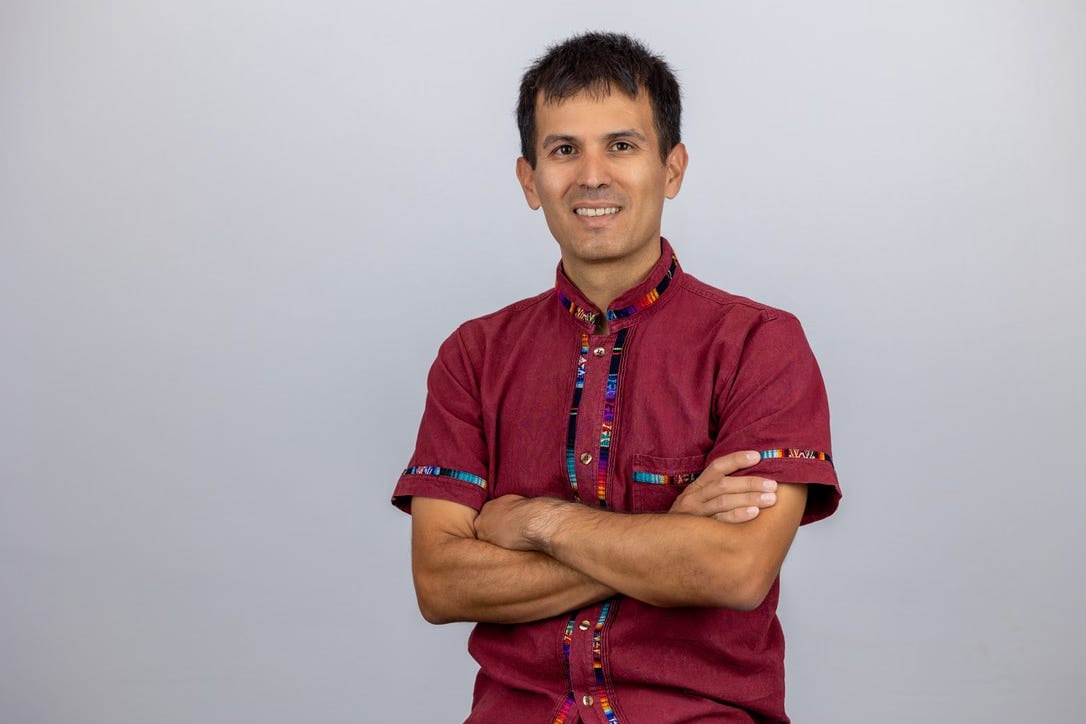
The Migrant Criminality Narrative: A Podcast with César Cuauhtémoc García Hernández
One of the nation’s top immigration scholars cuts through the crap and lays bare this moment of border and immigration control, how we got here, and where we’re headed.
The Migrant Criminality Narrative: A Podcast with César Cuauhtémoc García Hernández
0:00
/12000
With Donald Trump, one thing has been constant since he announced his first campaign in 2016: the narrative that migrants are criminals. He says it with confidence and bluster, and he says it every day. But he goes beyond this, according to migration scholar César Cuauhtémoc García Hernández. Not only are migrants criminals, they are an “existential threat”—a threat to the fabric of life, to the entire country, to the very existence of the nation-state. What better way is there to justify and rev up an enforcement regime that could round up and expel millions of people?
According to García Hernández, however, Trump’s narrative didn’t appear out of thin air. “Trump is at the extreme edge of a decades-long campaign by elected officials, by intellectuals, by pundits to embrace this notion of migrant criminality, of dangerousness,” he says. Associating migrants with criminality or other unsavory traits, indeed, has been a longtime U.S. pastime. Look at Ronald Reagan, García Hernández points out, who called Central American migrants (many from Nicaragua) the “leading edge of the Soviet invasion.” Or George H. W. Bush, who described Haitians as “contagions.” Or Bill Clinton and his allies “going on and on about super predators,” and, subsequently, “the idea that young people coming from Latin America specifically … [will] engage in criminal activity.”
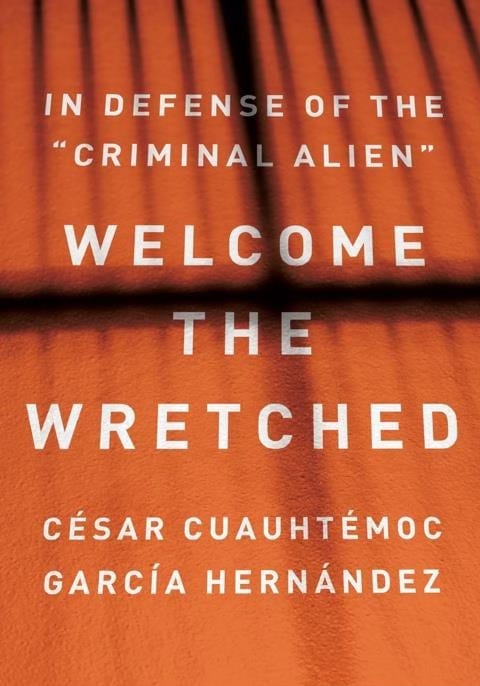
Perhaps there is no better person to assess the moment we are in than García Hernández, whose book Welcome the Wretched: In Defense of the Criminal Alien (New Press, 2024), is a deep dive into, and rebuttal to, this narrative that Trump has come to master. His previous book, Migrating to Prison: America’s Obsession with Locking Up Immigrants(New Press, 2019), also masterfully deals with issues of utmost importance to this moment. As does his first book, Crimmigration Law(ABA, 2015). García Hernández is the Gregory H. Williams chair in Civil Rights and Civil Liberties at Ohio State University’s Moritz College of Law.
In the podcast, García Hernández not only assesses Trump’s foundations but also examines the first three weeks of his new term in office. He also speculates on where we might be headed, including what resistance there might be.
The Border Chronicle is a reader-supported publication. To receive new posts and support our work, consider becoming a free or paid subscriber.
In this week's podcast, Melissa del Bosque and Geographer Dugan Meyer explain how the Border Chronicle's new project, Wall Watch, helps residents document and understand the massive construction project underway at the U.S.-Mexico border.
A vivid depiction of what has been happening during the last eight weeks of resistance against border wall construction in southern Arizona’s San Rafael Valley.
In February, the country broke an ominous record: over 68,000 people were being held in detention by Immigration and Customs Enforcement, more than ever before.
As immigrant families face detention, shrinking legal protections and the threat of deportation, Camp Hope offers children a rare chance to play, heal and dream. One former camper is headed to an opera conservatory in Italy.